
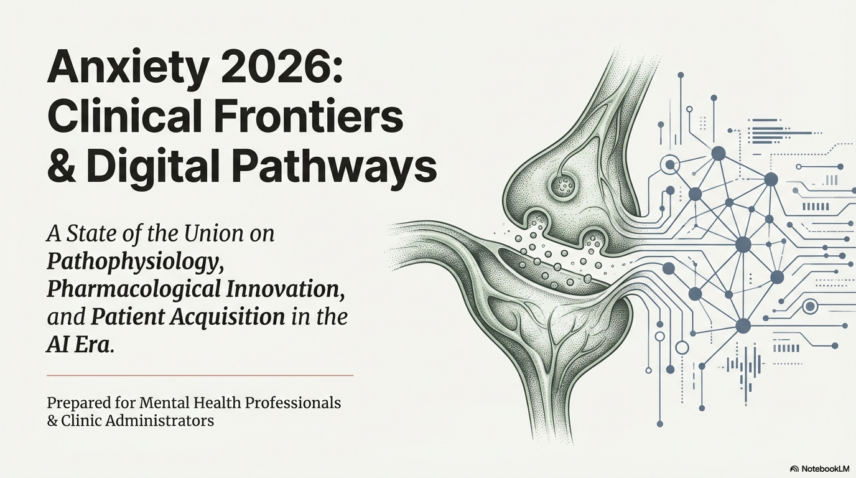

Before anything else, let’s try to understand what anxiety really is, or maybe a better way to put it is what exactly anxiety means and how it’s different from anxiety disorders. In the next sections, we’ll take a closer look at this very human experience and explore it in detail.
What is anxiety?
Anxiety is like a warning in the body that turns on when something important or challenging is coming. Like before an exam or an interview: your heart beats fast, your hands sweat, and your mind is full of thoughts. This short-term feeling is like an extra fuel to help you focus and get ready, and it is usually helpful because it helps you concentrate and be prepared for action.
But if this feeling is always with you, is very intense, or you can’t control it, it’s no longer just a simple warning. That’s when it becomes an anxiety disorder and makes your daily life difficult.

What are anxiety disorders?
Anxiety disorders mean that the feeling of anxiety is no longer just occasional and short-term, but is constantly with you, intense, or hard to control, and affects your daily life.
This means:
- You might always worry about small things,
- Or suddenly experience very strong fear and stress,
- Or even fear social situations or simple tasks and avoid them.
In other words, an anxiety disorder is when anxiety becomes a real and chronic problem, not just a short-term and normal feeling.
Do I just have anxiety or an anxiety disorder?
Having anxiety is common and normal, and everyone experiences it sometimes, like before an exam or an interview. This type of anxiety is short-term and usually helps us focus and get ready for action.
But when anxiety is always with you, intense, or hard to control and affects your daily life, it’s no longer just a normal feeling. That’s when it may be an anxiety disorder and require help or treatment.
Next, we will compare normal anxiety and anxiety disorder.
Normal anxiety vs anxiety disorder
- Normal anxiety is like a short-term warning in the body that activates when we face a challenge or an important situation. This type of anxiety is usually temporary, and disappears after the situation is over. Its purpose is to help us focus and get ready for action.
- An anxiety disorder is when the feeling of anxiety is always with you, intense, or hard to control. This type of anxiety is chronic and long-lasting, to the point that it can affect daily life. Unlike normal anxiety, it’s no longer just a warning it has become a real problem.
Let’s take a closer look at how normal anxiety and anxiety disorders are created in our bodies.
How does anxiety form in the body?
1. The body’s warning is triggered
When we face a challenging or threatening situation, the brain acts like a command center sending out warnings. This part of the brain sends signals to the body to get ready to react.
According to Andrew Huberman, Associate Professor of Neurobiology at Stanford University, anxiety begins when the brain’s threat-detection system—particularly the amygdala—signals the body to prepare for danger. This activation triggers the release of stress hormones such as adrenaline and cortisol, placing the body into a heightened state of readiness.
2. Hormones come into action
Hormones such as adrenaline and cortisol are released. These cause:
- The heart to beat faster,
- Breathing to become rapid,
- The body’s energy to increase.
3. The body gets ready to act
These reactions together help us either fight or flee. This is what creates normal anxiety, and it is usually short-term.
Why does anxiety sometimes turn into an anxiety disorder?
Sometimes this warning system becomes too sensitive or is always on:
- The brain constantly thinks a threat is present, even when there is none.
- Hormones and anxiety reactions remain active, and the body doesn’t get a chance to relax.
When this state becomes long-lasting, normal anxiety turns into an anxiety disorder and can affect daily life, work, relationships, and sleep.
Let’s look at the types of anxiety disorders and examine each one.
Types of Anxiety Disorders in Simple Terms
According to David H. Barlow, founder of the Center for Anxiety & Related Disorders at Boston University, modern classification and treatment protocols for emotional disorders—including anxiety—are based on integrative frameworks he helped develop in clinical psychology. Source: Boston University profile.
According to the DSM-5 criteria, anxiety disorders are characterized by excessive fear or anxiety that is out of proportion to the actual situation.
Generalized Anxiety Disorder (GAD)
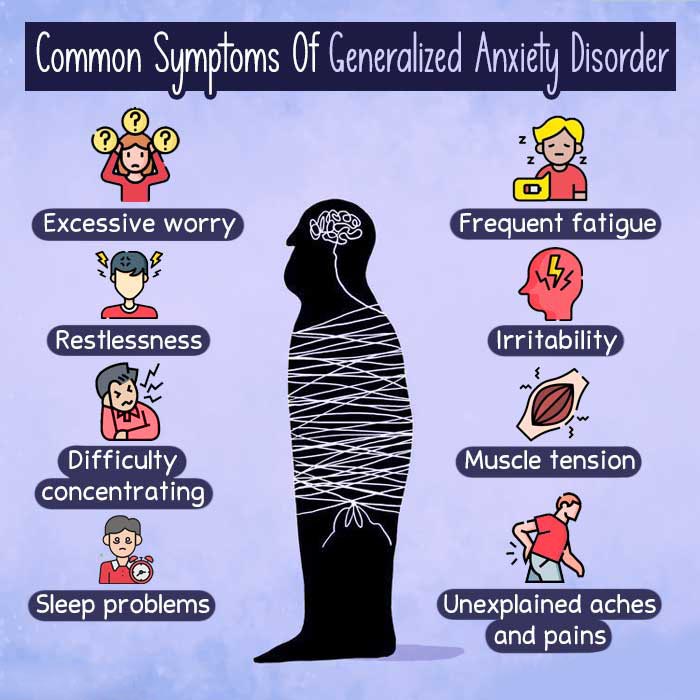
In Generalized Anxiety Disorder, a person experiences persistent and excessive worry about everyday matters, even issues that may seem minor or insignificant. These worries are difficult to control, and the individual often feels that something bad could happen if they are not constantly vigilant.
This chronic anxiety can lead to mental and physical fatigue, difficulty concentrating, and disturbed sleep. People with GAD may also experience muscle tension, headaches, or digestive problems as the prolonged stress affects the nervous and bodily systems.
Psychologically, the person feels they must always be “on alert” and rarely achieves a sense of calm or relaxation. This can affect social interactions, work performance, and overall quality of life. Effective treatment often includes cognitive-behavioral therapy (CBT) and, in some cases, anti-anxiety medications to help manage persistent worry and improve control over anxious thoughts.
Panic Disorder
Panic Disorder is characterized by sudden and intense episodes of anxiety known as panic attacks. These attacks often occur without warning and involve severe physical symptoms such as heart palpitations, sweating, trembling, shortness of breath, and a sense of impending doom. The intensity can make the person feel out of control or that something catastrophic is about to happen.
As a result, individuals may begin avoiding places or situations where they have previously experienced attacks, which can limit daily activities and negatively affect quality of life. Biological, genetic, and psychological factors all contribute to the disorder.
Treatment typically combines cognitive-behavioral therapy with medications such as antidepressants or anti-anxiety drugs. Breathing exercises and relaxation techniques can also help reduce the severity of attacks.
Phobias
A phobia is an intense, irrational fear of a specific object, activity, or situation. Although the feared object or scenario is not actually dangerous, the mind perceives it as a serious threat. Common examples include fear of heights, spiders, certain animals, or confined spaces.
This fear often causes avoidance behavior, which can interfere with daily life and limit the person’s opportunities or experiences. The severity can range from mild inconvenience to a significant restriction on social, academic, or occupational activities.
Treatment often involves gradual exposure therapy (systematic desensitization) and cognitive-behavioral therapy, which help individuals confront their fears safely and reduce avoidance behaviors. In severe cases, medications may be used to alleviate anxiety symptoms.
Social Anxiety Disorder
Social Anxiety Disorder occurs when a person experiences extreme fear of being judged, embarrassed, or watched by others. Everyday activities, such as speaking in public, shopping, or interacting in groups, can feel overwhelming.
This fear can lead to avoidance of social situations, low self-esteem, and feelings of shame or inadequacy. Over time, it can impact work, school, and personal relationships, limiting the person’s ability to engage socially or develop meaningful connections.
Treatment typically includes cognitive-behavioral therapy, social skills training, and sometimes medication to reduce anxiety in social situations. These interventions help individuals gradually gain confidence and manage their fear.
Obsessive-Compulsive Disorder (OCD)
OCD involves persistent, intrusive thoughts (obsessions) that cause anxiety. To reduce this anxiety, the person engages in repetitive behaviors or mental acts (compulsions), such as frequent handwashing, checking locks, or organizing items.
While these behaviors temporarily relieve anxiety, they often create a continuous cycle that disrupts daily life. OCD can be time-consuming, affect relationships, and reduce overall quality of life.
Treatment usually combines cognitive-behavioral therapy, especially exposure and response prevention (ERP), with medications such as selective serotonin reuptake inhibitors (SSRIs) to reduce compulsions and anxiety.
Post-Traumatic Stress Disorder (PTSD)
PTSD develops after experiencing a traumatic or life-threatening event, such as an accident, assault, or combat. Individuals may relive the trauma through flashbacks or nightmares and experience sudden fear or anxiety in response to triggers.
They may avoid people, places, or situations that remind them of the trauma, leading to social isolation and a persistent sense of insecurity. PTSD can severely impair daily functioning, emotional well-being, and physical health.
Treatment often involves trauma-focused cognitive-behavioral therapy, exposure therapy, and medications such as antidepressants or anti-anxiety drugs to manage symptoms and help restore a sense of safety.
According to Dr. Bessel van der Kolk, author of The Body Keeps the Score and a leading expert in trauma research, trauma is not simply a memory of a distressing event. Rather, it becomes deeply embedded in the nervous system, shaping how the brain and body respond to stress and influencing emotional and physiological reactions long after the original incident.
Comparison Table of Common Anxiety Disorders
| Disorder | Key Features | Common Symptoms | Physical Effects | Treatment Approaches |
|---|---|---|---|---|
| GAD | Persistent, excessive worry about everyday matters | Anxiety, worry, restlessness, irritability | Fatigue, muscle tension, sleep problems, headaches | CBT, anti-anxiety medication, relaxation techniques |
| Panic Disorder | Sudden, intense panic attacks | Palpitations, fear of losing control, shortness of breath | Sweating, trembling, chest pain | CBT, SSRIs, relaxation/breathing exercises |
| Phobias | Irrational fear of specific objects/situations | Avoidance, intense fear in specific situations | Rapid heartbeat, sweating, dizziness | Exposure therapy, CBT, sometimes medication |
| Social Anxiety Disorder | Extreme fear of judgment in social situations | Avoidance, embarrassment, low self-esteem | Nausea, sweating, shaking in social contexts | CBT, social skills training, medication |
| OCD | Intrusive thoughts and compulsive behaviors | Repetitive rituals, anxiety relief from compulsions | Fatigue, tension, digestive issues | CBT (ERP), SSRIs |
| PTSD | Anxiety after traumatic events | Flashbacks, nightmares, hypervigilance, avoidance | Sleep disturbances, heart palpitations, tension | Trauma-focused CBT, exposure therapy, medication |
Below we will examine common symptoms of anxiety disorders.
Symptoms of anxiety disorders
1. Constant Worry and Thoughts
In anxiety disorders, a person’s mind is constantly occupied with worrisome thoughts, even about things that are not logical or unlikely to happen. These thoughts act like a repetitive mental tape, sometimes causing the person to forget or delay daily tasks. For example, they may constantly worry that they have forgotten something, or that something bad might happen to their family, even when there is no real evidence.
2. Intense and Uncontrollable Emotions
Feelings of fear or panic in these individuals are unexpected and intense. The heart may start pounding without any clear reason, they may feel short of breath or physically weak, or intense fear may cause them to make impulsive decisions or flee from the situation. These emotions can make the person feel out of control of their body or mind.
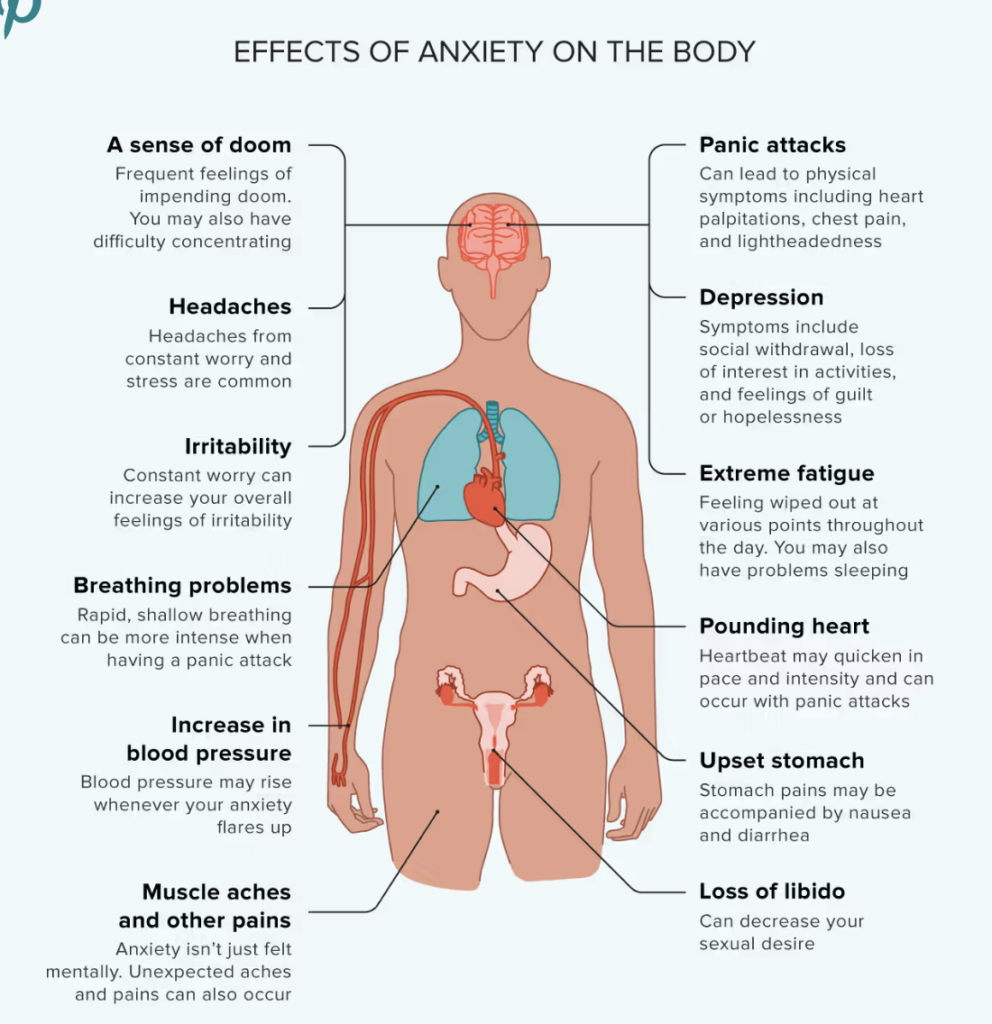
3. Physical Changes
Anxiety disorders are usually accompanied by obvious physical reactions:
- Rapid heartbeat or palpitations
- Sweating or trembling of the hands and body
- Headaches or persistent muscle tension
- Sleep disturbances and fatigue
These symptoms can sometimes become so severe that the person cannot sleep comfortably or even sit still, and their body remains in a constant state of alertness.
4. Restlessness and Inability to Relax
A person with anxiety cannot sit calmly or truly rest. They always feel pressure and tension in their body, and sometimes cannot clear their mind of anxious thoughts. This restlessness leads to chronic fatigue and physical discomfort.
5. Avoidance of Situations
People with anxiety disorders avoid situations or activities that trigger anxiety. This avoidance can sometimes cause the person to limit their social life, work, or even simple daily tasks. For example, they may avoid being in a group, speaking in front of others, or going to specific places, even when these actions are necessary.
6. Changes in Focus and Memory
Severe anxiety makes the mind preoccupied with anxious thoughts and unable to focus on important tasks. Short-term memory may also be affected, and the person may forget to complete tasks or overlook important details. This problem directly impacts work, school, or personal relationships.
7. Impact on Daily Life
All of the above symptoms cause a person’s life to be disrupted in work, study, social, and even recreational areas. They may miss opportunities, feel constant discomfort and fatigue, and experience a significant decrease in quality of life. In fact, anxiety is no longer just a short-term feeling, but a serious obstacle in a person’s life.
Let’s explore the solutions for treating anxiety disorders below.
The best treatments for anxiety disorders that actually work
Treatment of anxiety disorders usually involves a combination of scientific and practical methods that have shown positive effects in studies and therapeutic experiences. These methods help a person understand, manage, and be less affected by anxiety in daily life.
Psychotherapy (Talk Therapy)
One of the most effective methods for treating anxiety is talk therapy with a therapist. In this approach, the person learns to identify and change thoughts and behaviors that intensify anxiety. One of the most well-known and scientifically supported forms of this therapy is Cognitive Behavioral Therapy (CBT). Studies have shown that CBT can significantly reduce anxiety symptoms and teach stress management skills.
According to Dr. Judith S. Beck, President of the Beck Institute for Cognitive Behavior Therapy, Cognitive Behavioral Therapy (CBT) is one of the most effective and evidence-based approaches for identifying and managing catastrophic and distorted thinking patterns that fuel anxiety.
Gradual Exposure
In exposure therapy, a person gradually and in a controlled way faces what they fear (e.g., fear of crowds, heights, or specific places). Over time, this method helps make anxiety about that situation less intense and more manageable.
Mindfulness-Based Therapy
Focusing on the present moment, breathing, and accepting thoughts without judgment helps a person manage anxiety better. This approach, used alongside CBT or independently, can reduce mental pressure and intense worries.
According to Dr. Jon Kabat-Zinn, Professor Emeritus of Medicine and founder of the Mindfulness-Based Stress Reduction (MBSR) program, mindfulness practices such as those taught in MBSR can help individuals develop a different relationship to stress by reducing emotional reactivity and improving the way the brain responds to stressors over time.
Research has indicated that regular practice of mindfulness techniques such as meditation and mindful awareness can change patterns of emotional reactivity and stress response in the brain, leading to reduced symptoms of anxiety and improved cognitive control.
Medication
In cases where anxiety is more severe or long-lasting, a psychiatrist may prescribe anti-anxiety or antidepressant medications. These medications help balance the brain’s chemical system and allow the person to participate more easily in therapy. Medication should be prescribed and monitored by a specialist, as the dose and type vary depending on the individual.
Lifestyle Changes
Simple but effective factors such as regular exercise, adequate sleep, proper nutrition, deep breathing, and meditation can naturally reduce anxiety levels and support treatment—especially when combined with other therapies.
Frequently Asked Questions
1. Can anxiety disorders be cured completely?
While “cure” is a strong word, anxiety disorders are highly treatable. Most people can manage their symptoms effectively and lead a normal, fulfilling life through therapy (like CBT), medication, or lifestyle changes.
2. Is anxiety hereditary?
Research suggests that genetics play a role. If you have a family history of anxiety, you may be more likely to develop a disorder, though environmental factors and life experiences also play a major part.
3.When should I see a doctor for anxiety?
If your worry is constant, hard to control, and interferes with your work, relationships, or daily health (like sleep), it is time to consult a mental health professional.
Conclusion
Anxiety is a natural feeling that everyone experiences sometimes and usually helps us be ready for action. However, when this anxiety becomes severe, persistent, and uncontrollable, it turns into an anxiety disorder and can affect a person’s daily life, work, studies, and relationships.
Fortunately, today there are scientific and practical treatment methods that can provide significant improvement: psychotherapy, gradual exposure, mindfulness, medication, and lifestyle changes. With the help of these methods, a person can manage anxiety, regain control of their life, and improve their quality of life.
In simple terms: anxiety disorder is treatable, and with the right support and appropriate methods, one can restore a sense of calm and self-confidence.
Medical Review: This article is based on scientific research and clinical guidelines, including the DSM-5 (Diagnostic and Statistical Manual of Mental Disorders). To ensure accuracy, the content is periodically reviewed for clinical relevance.

Be the first to post a comment.