
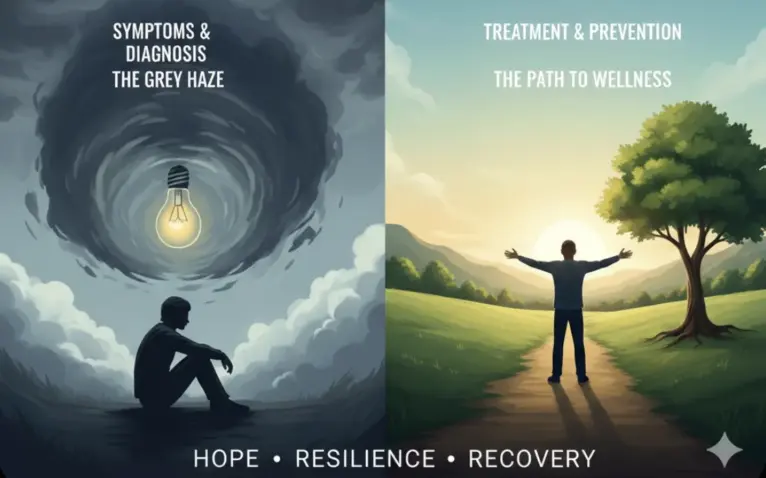

Before taking any action, you need to know your opponent well—what their weaknesses are, where their strengths lie, and how they operate. Without this understanding, any attempt to confront them is nothing more than guessing and trial and error.
Depression works in exactly the same way. Until we understand what depression truly is, how it develops, and how it affects our thoughts and behaviors, we can neither manage it nor treat it effectively. Understanding depression is the first and most crucial step toward breaking free from a cycle that quietly and gradually wears life down.
Depression is not just an inner feeling; its impact gradually permeates every aspect of a person’s life. Concentration declines, motivation fades, and even the simplest daily tasks turn into an exhausting challenge. On a social level, relationships become cold and limited, the person withdraws from others, and work or academic performance deteriorates. This process often leads to misunderstandings by those around them and intensifies the sense of loneliness—a cycle that, if not recognized and managed in time, can seriously affect the quality of life of both the individual and those around them.

Why is depression such a complex problem?
If we want to find the greatest cause of human incapacity in the world, it’s actually quite easy for us—because we’ve heard of it, and many of us have wrestled with it ourselves.
This incapacity is singular and strange. More importantly, it’s also very complex.
You know what this article is about—the thing that quietly destroys a person from within: depression.
According to various official global statistics, about 10 percent of the world’s population is affected by depression. But it’s important to understand that depression comes in vastly different degrees, and you simply cannot compare it to other problems.
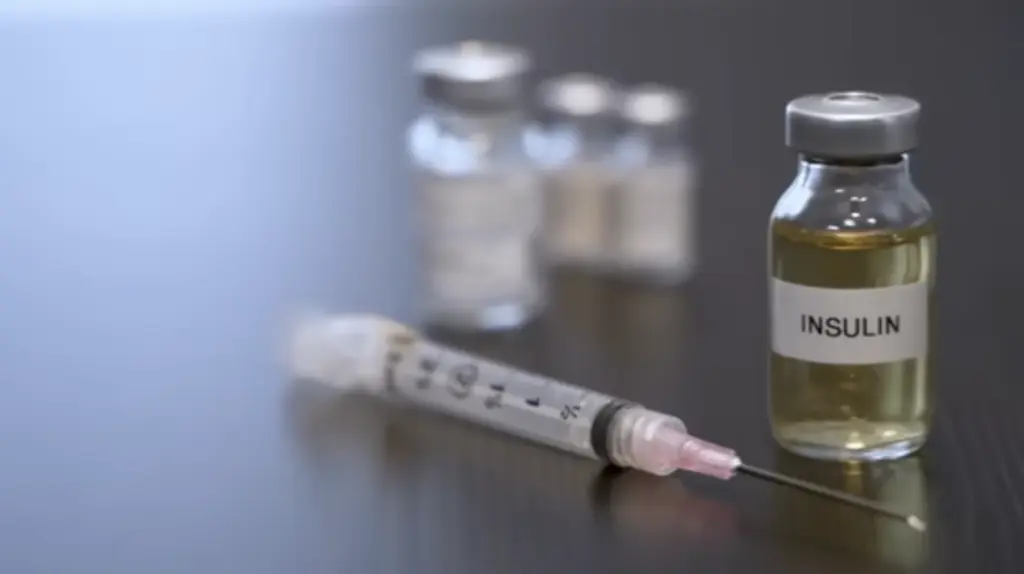
High blood pressure, diabetes—these are problems that can be controlled. They give insulin to prevent high sugar or medication to keep blood pressure in check. But depression is not one of those problems that can be solved with a simple pill.
In the following, we will explore why it cannot be solved so easily.
Why can’t depression be solved with a drug?
- Depression is not just a chemical problem
Many people think depression is simply a “serotonin deficiency” and that a pill can fix everything—but the truth is more complex. Depression is a combination of brain, psychological, and social factors:
- Brain: changes in brain chemistry and neuron activity
- Mind: negative thoughts, fear, stress, past trauma
- Social: work pressure, difficult relationships, loneliness, financial problems
Therefore, a medication only targets the chemical part of the brain, not your mind or environment.
- Medications reduce symptoms, not the cause
A drug can slightly improve your energy and mood, but if the root cause—such as severe stress or loneliness—drives the depression, the medication alone does not solve the problem. - Medication takes time and is not guaranteed
Even the best antidepressants take about 2 to 6 weeks to show real effects. Some people may not respond to medication at all or may need a combination of drugs and psychotherapy. - What does science say?
Dr. Aaron T. Beck, the renowned psychologist and psychiatrist who founded Cognitive Behavioral Therapy (CBT), states:
“Depression is the result of a negative cycle between thoughts, behaviors, and emotions. Changing brain chemistry may improve mood slightly, but without changing thought and behavior patterns, true recovery is incomplete.”
In simple terms, medication can be helpful, but for complete treatment, the mind, behavior, and environment must also be addressed.
So, let’s see what the definition of depression is.
What is depression?
Simple Definition
Depression is a prolonged and serious state of sadness, low energy, and lack of motivation that affects a person’s daily life. These feelings last longer than a day or a week and make it difficult for the person to enjoy life or complete everyday tasks as before.
Simple examples:
- Someone who once loved playing guitar or watching movies no longer has the motivation to do these activities.
- Someone who used to go out with friends regularly now prefers to stay alone and cut off social interactions.
Scientific Definition
From a psychiatric and neuroscience perspective, depression is a mood disorder recognized by the following symptoms:
- Persistent low mood: Feeling sad, empty, or hopeless most of the day.
- Loss of interest or pleasure: No longer enjoying activities that were once pleasurable.
- Energy and activity disturbances: Extreme fatigue, lack of motivation, slowed movement or thinking.
- Sleep and appetite changes: Sleeping too little or too much, unexplained weight loss or gain.
- Difficulty concentrating or making decisions: Trouble focusing, forgetfulness, or difficulty deciding.
- Negative thoughts or low self-esteem: Feeling worthless, guilty, or in severe cases, thoughts of death or suicide.
Causes:
- Biological: Changes in brain chemistry, imbalance of serotonin, dopamine, and norepinephrine.
- Genetic: Family history of depression increases risk.
- Psychological: Experiencing trauma, chronic stress, or negative thinking patterns.
- Social: Loneliness, work pressure, financial problems, unhealthy relationships.
Real-Life Examples
- At work:
- The person may struggle with concentration and decision-making, leaving projects unfinished.
- In relationships:
- They may withdraw from friends or family and avoid social interactions.
- In self-care:
- They may neglect hygiene, exercise, or regular meals, or avoid daily activities altogether.
Authoritative Scientific View
Dr. Aaron T. Beck, a prominent psychologist and psychiatrist, and the founder of Cognitive Behavioral Therapy (CBT), explains:
“Depression is a negative cycle between thoughts, emotions, and behaviors. When negative thoughts, feelings of sadness, and avoidant behaviors interact, depression intensifies. Changing brain chemistry can slightly improve mood, but real recovery requires changing thoughts and behaviors.”
Therefore:
- Depression is a real and multifaceted illness, not just ordinary sadness or fatigue.
- It can affect all aspects of life: work, relationships, physical and mental health.
- Effective treatment usually involves a combination of medication, psychotherapy, lifestyle changes, and social support.
- It’s important to understand that depression is not a personal flaw or lack of willpower—it is a treatable disorder.
So far, we’ve become familiar with depression and understood that it is not just a short-lived sadness—it can affect our daily life, thoughts, and behaviors. In the next section, we will explore the difference between temporary feelings of sadness and Major Depressive Disorder (MDD), so you can better recognize when a mood is a natural reaction and when it requires serious medical and psychological attention.
The difference between feeling depressed and major depressive disorder
Feeling depressed
One thing everyone should understand is that there’s a big difference between feeling sad and being depressed.
Someone who feels a brief bout of sadness is not the same as someone who is truly depressed.
Feelings come and go. This pattern starts from childhood. For example, you get a bad grade at school or have a fight with a friend—these situations cause temporary sadness.
As you grow older, these feelings continue and can even intensify. You might lose your job, friendships may fall apart, or some people even feel down when the weather isn’t sunny.
These bouts of sadness don’t arrive all at once—they come gradually and fade gradually.
A small change occurs, and suddenly everything feels normal again. It’s as if the sadness you felt just a week ago never existed.
Someone experiencing this is not depressed—they are feeling sad. And this is completely natural. All humans, and even other living beings, experience such emotions.
This is also part of the joy of life—the ups and downs we feel and go through.

Major depressive disorder
But when Major Depressive Disorder is present, the story is completely different. This is something that needs to be addressed and treated.
When someone has a depressive disorder, they are immersed in this sorrowful state and need a way to come out of it.
This distress, this depression, negatively affects your studies, your work, your life, your family, and everything you usually enjoy.
So far, I’ve understood what depression is and what the differences are between major depression and feeling depressed. So let’s continue to examine how many types of depression there are.
Types of depression
1. Major Depressive Disorder (MDD)
Major Depressive Disorder is the most common type of depression and occurs when a person experiences severe sadness, low energy, or loss of interest in daily activities for at least two consecutive weeks. This condition can heavily impact sleep, appetite, concentration, motivation, and relationships. Even simple tasks, like getting out of bed or eating, may become difficult.
Causes include biological, genetic, psychological, and environmental factors. Research shows that changes in serotonin and dopamine levels, prolonged stress, traumatic experiences, and social problems can intensify this type of depression. Treatment usually involves a combination of antidepressant medication, psychotherapy, and social support.
Scientific reason: Neuropsychological research shows that in people with major depression, the activity of the frontal lobe and hippocampal regions of the brain decreases and the activity of the amygdala increases, leading to low mood and overreaction to stress.
Dr. Michael E. Thase, psychiatrist and professor at the University of Pennsylvania, says:
“Major depressive disorder is caused by the interaction of genetic factors, changes in brain chemistry, and environmental stress; both medications and psychotherapy target different parts of this interaction.”
2. Seasonal Affective Disorder (SAD)
Seasonal Affective Disorder is a type of depression that occurs during specific times of the year, usually fall and winter. People with SAD often feel sad, fatigued, and low on energy, and may sleep more or crave sweet and high-calorie foods.
A major cause of SAD is reduced natural sunlight, which affects melatonin and serotonin levels in the brain and disrupts the circadian rhythm. Treatment can include light therapy, psychotherapy, and in some cases, antidepressant medication.
Scientific reason: Seasonal depression is linked to changes in environmental light and reduced production of serotonin and melatonin, which disrupt the body’s circadian rhythm and affect a person’s mood.
Dr. Norman Rosenthal, psychiatrist and researcher on seasonal depression, says:
“Lack of sunlight disrupts the sleep cycle and mood. Light therapy is one of the most effective treatments for SAD, and its effectiveness has been scientifically proven.”
3. Persistent Depressive Disorder (Dysthymia)
Persistent depressive disorder is a mild to moderate type of depression that lasts for at least two years. Its symptoms are less severe than major depression, but they are chronic and persistent. A person may constantly feel low energy, boredom, and sadness, even if they occasionally have good days.
This type of depression can have long-term effects on relationships, work, and overall quality of life. Treatment often involves long-term psychotherapy and sometimes antidepressants to break the cycle of negative thoughts and low mood and improve daily functioning.
Scientific reason: In persistent depressive disorder, mild but long-lasting changes in serotonin and neuropeptide levels lead to chronic low mood and feelings of failure, even when no major external stressors are present.
Dr. Aaron T. Beck, founder of CBT, says:
“Persistent depression arises from long-term negative thought patterns. These patterns interact with biological changes in the brain, and treatment must target both the mind and the brain.”
4. Postpartum Depression
Postpartum depression typically occurs within a few weeks to months after childbirth. The mother may feel intense sadness, anxiety, lack of motivation, and even difficulty bonding with the baby. This goes beyond the normal short-term mood swings after birth and requires medical support.
Causes include hormonal changes after childbirth, stress from new responsibilities, sleep deprivation, and a history of depression. Treatment may involve psychotherapy, family support, and if necessary, antidepressants suitable for breastfeeding.
Scientific reason: Rapid changes in estrogen and progesterone after childbirth, combined with the stress of new responsibilities, affect serotonin levels in the brain and can lead to depression.
Dr. Fiona Shaw, a psychiatrist specializing in women’s health and obstetrics, says:
“Postpartum depression is a combination of hormonal changes, sleep deprivation, and stress. Early recognition and timely treatment can ensure the health of both mother and baby.”
5. Psychotic Depression
Psychotic depression is a severe type of depression that occurs alongside hallucinations or delusions. The person may have false beliefs, such as extreme guilt or mistaken ideas about harming themselves or others.
This type of depression requires immediate medical attention, and treatment usually involves a combination of antidepressants, antipsychotic medication, and intensive psychotherapy to reduce both mood and psychotic symptoms.
Scientific reason: In psychotic depression, severe changes in serotonin and dopamine levels, along with abnormal activity in the prefrontal cortex and amygdala, cause the individual to experience both depressive symptoms and delusions or hallucinations.
Dr. Carl Salzman, psychiatrist, says:
“Psychotic depression is one of the most severe forms of depression and requires immediate treatment with a combination of antidepressant and antipsychotic medications.”
6. Depression in Adolescents
Adolescents may show depression differently than adults. Instead of obvious sadness, it may appear more as anger, irritability, social withdrawal, or declining academic performance. School pressures, problems in friendships, hormonal changes, and identity formation can all intensify depression in teenagers.
Identifying depression in adolescents can be more challenging because normal teenage behavior also includes mood and energy fluctuations. Psychotherapy, family support, and in some cases age-appropriate antidepressant medication can be helpful. Timely diagnosis and social support play a crucial role in preventing depression from worsening.
Scientific reason: Studies show that in adolescents with depression, the prefrontal cortex and hippocampus, which are involved in emotion regulation and memory, are still developing and are more sensitive to stress and hormonal changes. This makes low mood, irritability, and risky behaviors more pronounced in teenagers.
Harold S. Koplewicz, a child and adolescent psychiatrist and author on youth depression:
“adolescent depression often presents differently than in adults, with symptoms such as irritability, social withdrawal, and declining academic performance, and recognizing these signs early is crucial for timely intervention and long‑term well‑being.”
7. Depression in Older Adults
In older adults, depression may present with fatigue, chronic pain, decreased appetite, sleep disturbances, and social isolation, and it is sometimes mistaken for physical illnesses. Loss of loved ones, retirement, reduced independence, and biological changes in the brain are common contributing factors in this age group.
Depression in older adults can reduce their ability to care for themselves and manage daily life. Treatment usually includes psychotherapy, age-appropriate medication, and social activities to improve quality of life. Early detection and support from family or the community are extremely important.
Scientific reason: In older adults, decreased production of neurotransmitters like serotonin and dopamine, chronic physical illnesses, and social isolation can lead to depression. Additionally, changes in brain structures related to memory and mood regulation increase their vulnerability to depression.
Dr. Martin Prince, Professor of Epidemiological Psychiatry at King’s College London:
“late‑life depression is often underrecognized because its symptoms can overlap with physical pain, disability, or social withdrawal, and appropriate diagnosis and treatment can markedly improve independence and quality of life for older adults.”
Now that we are familiar with the types of depression, let’s examine the symptoms of the most famous type of depression.
Symptoms of major depressive disorder
So, what are the symptoms of this problem? There are many, but we’ll mention the most common—the clearest signs you’ll see: the person is sad most of the time.
They lack motivation to do anything and have very little energy. They constantly blame themselves.
They may sleep too much or too little, and they can’t concentrate on anything.
They become deeply upset over the smallest comment. Often, they even feel that it would be better if everything ended—that is, thoughts of harming or ending themselves may appear.
Neurologists and mental health experts say that if someone shows five or more of these symptoms simultaneously, they are likely experiencing a depressive disorder.
Experts also say depression is one of the worst human conditions because it not only affects your mind but also gradually harms your body.
Many physical health problems, including certain cancers, can develop after prolonged periods of depression.
Causes and factors affecting depression
Unfortunately, scientists still haven’t pinpointed the exact origin of this problem and don’t fully understand how depression develops in this way. However, they estimate that it has two main pillars: one is genetics, and the other—equally important—is the environment.
Scientists clarify that this doesn’t mean, for example, that a Japanese gene gets depressed while a German gene does not. It’s not about nationality at all, but genetics does play an important role.
Below, we’ve examined the contributing factors more thoroughly and precisely:
Causes and Contributing Factors of Depression
1. Biological and Brain-Related Factors
- Changes in brain chemistry: Imbalances in serotonin, dopamine, and norepinephrine can cause low mood, decreased motivation, and sleep disturbances.
- Genetics and family history: If parents or close relatives have experienced depression, the risk of developing it is higher.
- Hormonal disorders: Hormonal changes during adolescence, pregnancy, postpartum, or menopause can trigger depression.
Real-life insight: Many patients discover, after tests and evaluations, that part of their depression is linked to genetics or brain chemistry changes, and that medications alongside psychotherapy have been effective.
2. Psychological Factors
- Chronic stress and pressure: Academic, work, or financial stress can gradually lead to depression.
- Trauma and psychological injury: Loss of loved ones, abuse, parental divorce, and other emotional traumas can increase the risk of depression.
- Negative thought patterns: Thinking styles such as low self-esteem, constant self-blame, or pessimistic expectations about the future reinforce the cycle of depression.
Real-life insight: Therapists report that many patients, through cognitive techniques like CBT, have been able to manage negative thoughts and improve their mood.
3. Social and Environmental Factors
- Isolation and loneliness: People who are alone or lack social support are more vulnerable to depression.
- Financial and work-related problems: Unemployment, economic stress, and job insecurity can create chronic stress.
- Unhealthy relationships: Family conflicts, tense romantic relationships, or workplace issues worsen depression.
Real-life insight: Those with supportive relationships with friends and family often recover faster from depressive episodes, whereas prolonged loneliness and social pressures can make depression chronic.
4. Lifestyle Factors
- Lack of sleep and exercise: Insufficient sleep or physical activity can lead to low mood and fatigue.
- Poor nutrition: Diets lacking essential vitamins and minerals directly affect the brain and mood.
- Substance or alcohol use: Alcohol and addictive substances can trigger or worsen depression.
Real-life insight: Research and patient experience show that even simple lifestyle changes—like regular exercise and adequate sleep—can help reduce depressive symptoms.
Depression usually results from a combination of biological, psychological, social, and lifestyle factors. There is no single cause, which is why effective treatment often needs to be comprehensive and multi-faceted: medication, psychotherapy, social support, and lifestyle adjustments.
Now that we have become familiar with the factors that cause depression in humans, let’s examine the dimensions of its impact on the human body and daily life.
Impact of Depression on Daily Life
1. Reduced Energy and Motivation
People with depression often feel constantly tired and drained of energy, even if they haven’t done much.
Human example: Someone who used to exercise every morning or go to work enthusiastically now finds it difficult even to get out of bed and feels like nothing is worth doing.
2. Decreased Focus and Decision-Making
Depression can make it hard to concentrate on work or study and can cause difficulties in making even simple decisions.
Human example: A student who used to focus on their assignments may now struggle to read a single paragraph or decide what to have for lunch.
3. Sleep and Appetite Problems
People with depression may sleep too much or suffer from insomnia, and their appetite may increase or decrease. These changes lead to more fatigue and lower quality of life.
Human example: Someone who used to sleep on time and wake up feeling refreshed may now be unable to sleep at night and feel drowsy and lethargic during the day.
4. Loss of Interest in Enjoyable Activities
A key feature of depression is that activities you used to enjoy no longer bring pleasure.
Human example: Someone who loved music, sports, or meeting friends may now withdraw from all these activities and prefer to be alone.
5. Impact on Social Relationships
Depression can make a person less inclined to interact with others and may push friends and family away.
Human example: A depressed mother might lose interest in playing with her child, or a depressed individual at work may interact less with colleagues and become isolated.
6. Psychological and Emotional Effects
Depression can lead to feelings of worthlessness, guilt, or chronic hopelessness and reinforce negative thoughts.
Human example: Someone who once had confidence in themselves and their abilities may now feel like they can’t do anything right and see no hope for the future.
Depression is like a heavy fog that settles over everyday life. It slows everything down: energy, sleep, relationships, work, and even the ability to enjoy life. That’s why treating it cannot rely solely on medication or individual effort—it requires support, therapy, and lifestyle changes.

So we know how depression affects our daily lives, now let’s see how it affects our bodies.
Effects of depression on the brain and neurotransmitters
Neurologists say that depression negatively affects three key neurotransmitters. One of them is serotonin, which regulates appetite, sleep, and mood.
The next one impacts norepinephrine, also called noradrenaline, which essentially controls the human “fight or flight” response. When faced with a threat, a person either escapes or stands and fights.
The other harmful effect is on dopamine production—it becomes unstable, meaning dopamine isn’t released at the right time. This is why thoughts become highly erratic and inconsistent.
So you see, this depression, which at first glance seems purely a mental disorder, is actually slowly eating away at the body as well. If we listed all the effects this disease has on the human body, it would be a long list; here we’re highlighting the most important ones.
Another negative impact is on hormones. Suddenly, you notice a person gaining weight without any change in diet, or, conversely, losing a lot of weight, developing thyroid problems, or even a gland starting to grow somewhere in the body. The underlying cause behind all these issues is major depression.
Depression is understood in neuroscience as a condition involving disruptions in monoamine neurotransmitters such as serotonin, norepinephrine, and dopamine. These chemical imbalances in the brain can affect mood, energy, appetite, and other physiological functions, contributing to both emotional and physical symptoms of the disorder.
So, before we get to the treatment, we will first examine what the challenges are for depressed people.
Challenges of Depressed People: Reluctance to Talk and Ask for Help
The biggest problem for a person with depression is that they don’t talk to anyone. Most depressed people are at risk of staying silent, showing no signs of sadness. They smile, tell jokes, laugh—but inside, they’re stuck in a swamp that no one can see.
This swamp is like a black wolf constantly following them—the wolf of depression. You might not believe it, but American researchers report that a person with clinical depression may go more than ten years without asking for help.
So why does it take them so long to reach out? Everyone hates feeling this kind of deep sadness. They wish, from the bottom of their hearts, to escape this swamp—but why do they wait so long?
The main reason is shame. It silences them. They feel alone, and if they speak to others, they fear being ridiculed. So they keep it all inside—and it only gets worse and worse.
Well, before treating anything, it must be diagnosed, so let’s look at ways to diagnose depression.
Ways to diagnose depression
Diagnosing depression is a sensitive process because there’s a thin line between “normal sadness” and “depressive disorder.” Depression isn’t just a short-term feeling; it’s a set of symptoms that persist for at least two weeks.
Next, we’ll look at ways to identify this condition in three main categories:
1. Emotional and Cognitive Signs (What You Feel)
These are usually the first warning signals a person notices:
- Persistent emptiness and sadness: A feeling like a gray cloud that follows you everywhere.
- Anhedonia: Losing interest in activities you once loved, such as sports, socializing, or hobbies.
- Unfounded guilt: Blaming yourself for the smallest things or feeling worthless.
- Thoughts of death or self-harm: Even if fleeting, these thoughts require serious attention.
2. Physical Signs (What Your Body Shows)
Depression isn’t only in the mind—the body reacts too:
- Sleep changes: Severe insomnia or, conversely, excessive sleepiness.
- Appetite and weight changes: Sudden weight loss or gain without diet changes.
- Low energy: Feeling extreme fatigue even after extended rest.
- Unexplained pains: Headaches, digestive issues, or back pain without a clear medical cause.
3. Standard Assessment Tools
For accurate diagnosis, specialists use scientific tools:
- Beck Depression Inventory (BDI): One of the most reliable self-assessment tests to measure depression severity.
- PHQ-9: A 9-question checklist doctors use for quick screening.
- Differential diagnosis: Sometimes vitamin deficiencies, thyroid problems, or anemia can mimic depression symptoms. Blood tests are therefore essential.
Important note: No online test can replace a professional diagnosis from a doctor or psychologist. If these symptoms are disrupting your daily life—work, school, or relationships—it’s time to seek help.
So, we’ve looked at ways to diagnose depression, and now we’ll look at the first steps in treatment.
The first steps in treatment: talking and getting support from those around you
Psychiatrists say that the first step in dealing with depression is to share your struggles with others. This can be anyone—your mother, father, sister, brother, family members, spouse, or, if you can afford it, talking to a psychologist. Speaking to a professional is the first step in fighting this problem.
By “fighting,” we don’t mean battling your thoughts and adding more negative effects to your body. It means acknowledging that you have this problem and talking about it.
This article isn’t just for people who have depression; it’s especially for those around them. It’s very important to sit and listen to them because that in itself is the biggest help. You don’t necessarily need to offer solutions. Just listening gradually brings calm.
If you have time, you can study this issue further and approach it more scientifically. It’s crucial to be attentive to those around us because many people struggling with this disorder don’t show it. Often, they appear cheerful and playful, but inside, they are depressed.
Make sure they understand that anything they share with you stays private, and it won’t be exposed to others tomorrow.
Depression shouldn’t be seen as a lifelong problem. Think of it like a broken hand: if it’s treated, casted, and cared for, it heals and returns to normal. Depression is similar—if you don’t address it, it won’t let go.
If a person engulfed in depression wants to end their life, it’s not because they like death; they simply want relief from the pain. Suicide is a permanent solution for a temporary problem. That’s why the environment and the people around them play a crucial role.
Everyone should know that no matter how severe depression is, it can be overcome. A temporary problem shouldn’t force you to give up; instead, it must be tackled step by step until you come out of it.
So, let’s look at more effective treatment options.
Treatment and management of depression
Managing and treating depression is a multifaceted journey. Usually, a combination of lifestyle changes, psychotherapy, and, if necessary, medication produces the best results.
Here is a roadmap for managing depression across three levels:
1. Individual Strategies (Small but Powerful Changes)
When you’re depressed, tackling big tasks feels impossible. Start with microscopic steps:
- The 5-Minute Rule: If you don’t feel like doing something, tell yourself, “I’ll do it for just 5 minutes.” Often, getting started is the hardest step.
- Regulate Your Sleep Cycle: Too little or too much sleep worsens depression. Try to wake up at consistent times, even if you feel tired.
- Physical Activity (Depression’s Natural Enemy): Exercise releases endorphins. Even a 10-minute brisk walk can be as effective as some mild antidepressants.
- Nutrition and Vitamins: Consuming omega-3s and checking your vitamin levels is very important.
2. Psychotherapy (Root-Level Treatment)
Talking with a specialist helps you identify and challenge destructive thought patterns:
- Cognitive Behavioral Therapy (CBT): The most popular approach for depression. It teaches you how to challenge negative thoughts (like “I’m useless”) and change your behavior.
- Schema Therapy: Highly effective if your depression stems from childhood experiences or recurring life patterns.
3. Medical and Pharmaceutical Treatments
Sometimes, depression is caused by chemical imbalances in the brain (like serotonin or norepinephrine) that cannot be corrected by willpower alone:
- Antidepressants (SSRIs): These medications don’t necessarily make you “happy,” but they stabilize your foundation, allowing you to manage daily tasks and engage in psychotherapy.
- Vital Note: Medications must be taken under the supervision of a psychiatrist, and sudden discontinuation can be dangerous.
Comparison Table: When to Seek Which Professional
| Your Situation | Recommended Specialist | Type of Intervention |
|---|---|---|
| Feeling sad and need to explore root causes | Psychologist | Conversation and behavioral adjustment |
| Sleep, appetite, or mobility issues | Psychiatrist | Biological assessment and medication |
| Physical symptoms like hair loss or extreme fatigue | General Practitioner | Full check-up and blood tests |
Remember: Depression is not a choice or a sign of weakness; just like diabetes or a cold isn’t the patient’s fault. Being patient with yourself is the first big step toward recovery.
Practical advice for people with the disease who are alone
Yes, we say that someone with this problem often doesn’t want to talk to anyone, and sometimes no one talks to them either. What can they do?
The first thing you can do is value yourself. It’s not about saying, “Oh, I’m nothing.” It’s very important to recognize your own worth and be kind to yourself.
You shouldn’t constantly beat yourself up or blame yourself. We have to accept that we are all human. None of us is perfect—and that imperfection is part of what makes life interesting.
You should try to enjoy the things in this world. If you’ve seen videos of David Goggins, you’ll notice how someone who was truly depressed managed to save himself and became one of the most hardworking people on Earth.
We’re not saying you should go run 75 miles like him, but try to stay physically active. If you want bread, get up and go get it yourself. Don’t sit and let your mind wander. Always keep yourself busy. This really works.
Social connection is also very important. Try to talk to anyone who gives you positive energy. If negative thoughts come to your mind, don’t fight them. Try to understand and accept that sometimes negative thoughts appear, but they cannot control you.
What we’ve described here helps you gradually step out of depression. Don’t think it will all be fixed in a day or two.
Preventing and reducing the risk of depression
Preventing depression means “bulletproofing” your mind against life’s challenges. The goal is to increase your mental resilience so that when faced with stress, you don’t fall into the pit of depression.
Here are the most effective preventive strategies, categorized into three layers:
1. Lifestyle Pillars (Biological Prevention)
The body and mind are inseparable. For the brain to produce mood-boosting chemicals like serotonin and dopamine, it needs proper foundations:
- Regular exercise (the free medicine): Physical activity not only relieves stress but also stimulates the growth of new brain cells. (Three times a week, 30 minutes of brisk walking each time is enough.)
- Sleep hygiene: Chronic sleep deprivation is one of the biggest triggers for mood disorders. Try to keep your circadian rhythm consistent.
- Smart nutrition: Reduce consumption of artificial sugars and focus on foods rich in omega-3 (fish, walnuts) and B vitamins.
2. Mental Skills (Cognitive Prevention)
The way you interpret the world determines how you feel:
- Managing rumination: Learn to catch yourself when a negative thought keeps repeating. Mindfulness techniques help you stay in the present moment and avoid getting lost in the past or future.
- Letting go of toxic perfectionism: One of the main causes of depression is setting unrealistic standards. Accepting that “I am human and I make mistakes” acts as a strong protective shield.
- Meaning-seeking: Having a small goal or hobby that gives you a sense of usefulness (like learning an instrument, gardening, or even taking care of a plant) is protective.
3. Social Safety Net
Humans are social creatures, and isolation is a primary breeding ground for depression:
- Quality relationships: It’s not the number of friends but the depth of relationships that matters. Having at least one or two people you can talk to without judgment greatly reduces the risk of depression.
- Work-life balance: Don’t let your identity be solely defined by “work” or “study.” Setting clear boundaries between rest time and work time is essential.
- Social media screening: If scrolling through Instagram or observing others’ lives makes you feel inadequate, consciously limit your time on these platforms.
Summary Table: Protective Factors Against Depression
| Factor | Role in Prevention | Practical Tip |
|---|---|---|
| Connections | Reduces feelings of loneliness | Meet a friend/family member in person once a week |
| Resilience | Managing life crises | Learn problem-solving skills |
| Sunlight | Regulates mood | Spend 10–15 minutes daily in natural sunlight |
| Medical check-ups | Prevents physical causes | Annual checks of thyroid and vitamin levels |
Golden rule: Prevention doesn’t mean eliminating sadness; it means learning how to deal with it so it doesn’t turn into depression.

conclusion
In short, depression is not a simple “psychological cold” that can be cured with phrases like “just think positive,” but at the same time, it is not a dead-end. The final takeaway can be summarized in three key principles:
1. Awareness is the First Key
Early recognition—paying attention to changes in sleep, appetite, and loss of enjoyment in life for more than two weeks—prevents depression from becoming chronic. Depression is not a personal weakness; it is a biological and psychological challenge that requires scientific attention.
2. Treatment is a Combined Package
The best results are achieved when the following triangle is complete:
- Lifestyle changes: (sleep, exercise, nutrition) as the foundation for well-being.
- Psychotherapy: to change destructive thought patterns and learn coping skills.
- Medical support: if needed, medication to regulate brain chemistry.
3. Prevention is a Daily Practice
We cannot prevent life’s hardships, but we can increase our resilience against falling into depression by building support networks (friends and family), managing stress, and avoiding toxic perfectionism.
Final note: Depression tends to isolate you and convince you that “nothing will ever get better.” The truth is, this is only the voice of the illness, not the reality of your life. Even the smallest step—like talking to a specialist or a close friend—starts the path toward recovery.
Frequently Asked Questions (FAQ)
1. What is the difference between normal sadness and depression?
Sadness is a natural and temporary reaction to unfortunate events, while depression is a mental disorder. Its symptoms—such as emptiness, insomnia, and low energy—persist continuously for at least two weeks and disrupt daily functioning.
2. What are the main physical symptoms of depression?
Depression is not just a mental state; common physical signs include sudden weight changes (loss or increased appetite), sleep disturbances (insomnia or excessive sleep), extreme fatigue without physical activity, and vague muscle or digestive pains.
3. Can depression be treated without medication?
Yes. In mild to moderate cases, approaches such as psychotherapy (CBT), lifestyle changes, regular exercise, and sleep pattern adjustments can be very effective. However, in severe depression, a combination of medication and psychotherapy is usually recommended.
4. When should you see a doctor for depression?
If feelings of sadness and hopelessness last more than 14 days, interfere with simple daily tasks, or involve thoughts of self-harm, you should definitely consult a psychologist or psychiatrist.
5. What role do nutrition and exercise play in reducing the risk of depression?
Exercise, by releasing endorphins, and a healthy diet—especially intake of omega-3 and vitamin D—help regulate neurotransmitters and act as a protective barrier, significantly reducing the risk of developing or relapsing into depression.
Medical Disclaimer: The content of this article is for informational and educational purposes only and does not constitute professional medical advice, diagnosis, or treatment. Always seek the advice of your physician or other qualified health provider with any questions you may have regarding a medical condition. Never disregard professional medical advice or delay in seeking it because of something you have read on this website.

Be the first to post a comment.